Solar System Installation in Pakistan 2026: Complete Guide
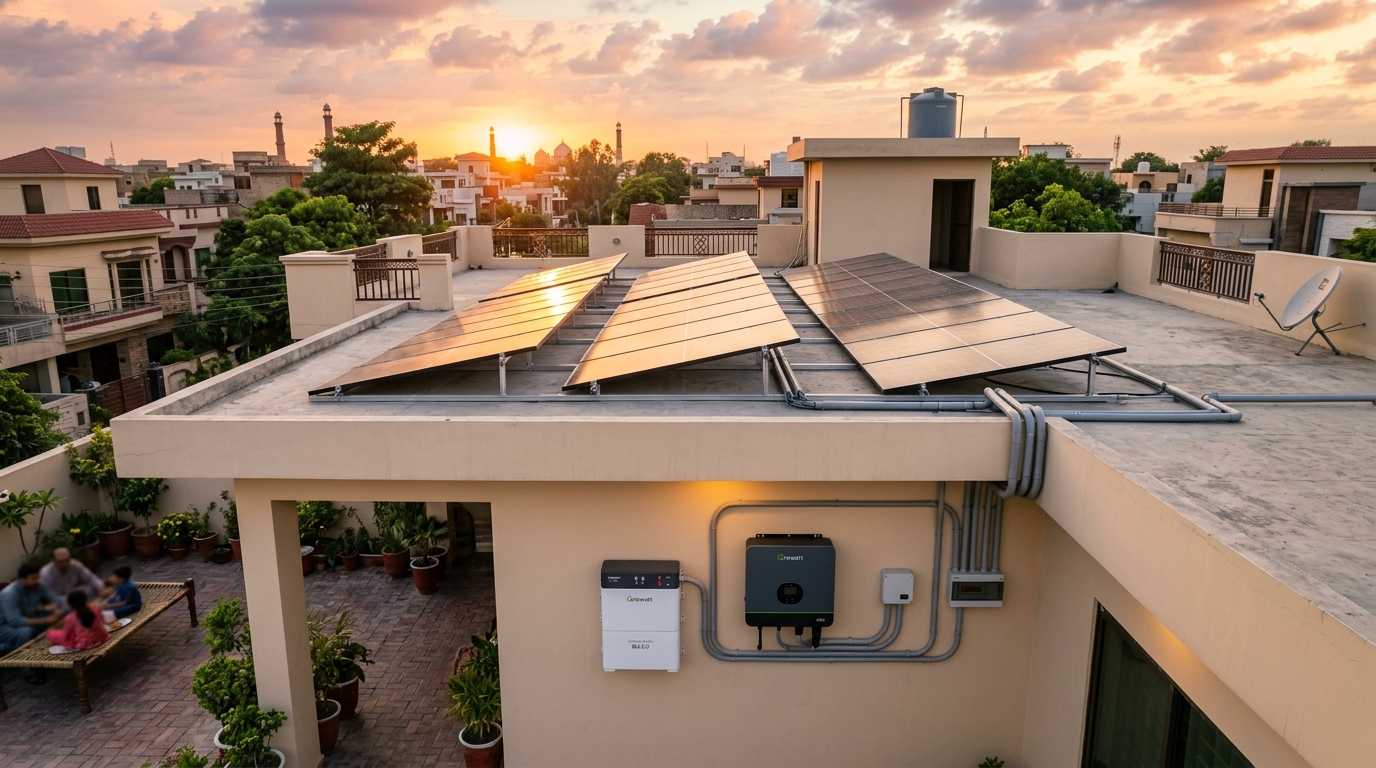
As electricity per-unit prices continue to soar past Rs. 65+ and grid reliability remains unpredictable, thousands of households and business owners across Pakistan are making a definitive shift. Installing a solar system in Pakistan is no longer just a luxury—it’s a crucial financial decision to secure your peace of mind and get permanent relief from heavy bijli ka bill.
Whether you are in the scorching summer heat of Lahore or managing a commercial setup in another city, knowing the exact solar lagane ka tarika (installation guidelines) can feel overwhelming. At Techno Kraft, our engineers handle these queries daily. In this complete 2026 guide, we will walk you through the reality of solar panels, inverters, batteries, and the best practices for a flawless installation.
📊 Discover Your True Solar Load
Not sure what size you need? Enter your home appliances and let our smart engine calculate the perfect system size.
⚡ Calculate Your Solar LoadWhy 2026 is the Best Time to Go Solar
The Pakistani solar market has matured significantly. Unlike a few years ago, we now have access to ultra-efficient technologies. Here is why investing now makes perfect sense:
- Immediate Bill Reduction: A properly sized system can drop your WAPDA bill to zero (or even negative).
- Protection from Tariff Hikes: Shield yourself from the quarterly fuel price adjustments (FPA) and hidden taxes.
- Advanced Technology: The availability of N-Type TOPCon bifacial panels means you generate more electricity even in low light or cloudy weather.
Ghar ke liye kon sa solar best hai? (Choosing On-Grid vs. Hybrid)
When planning a solar system installation in Pakistan, the biggest choice you will face is selecting the right inverter type. Let’s break it down:
1. The Hybrid Solar System (Highly Recommended)
Due to intermittent load shedding and changing net metering policies, Hybrid systems are currently ruling the Pakistani market. They connect to the grid but also include a battery bank (ideally modern Lithium LiFePO4 batteries).
Best for: Users who want zero interruptions during WAPDA outages and want to store daytime solar energy for night use.
2. The On-Grid Solar System
On-Grid (or Grid-Tied) systems directly sync with the utility grid without any batteries. If the grid goes down, your system shuts off (for safety reasons).
Best for: Offices, factories, and homes in areas with zero load shedding. It is the cheapest way to eliminate high electricity bills.
What Size Do You Actually Need?
One of the most common mistakes we see is undersizing the system. If you run a 1.5-ton inverter AC, a fridge, and basic house load, a typical breakdown looks like this:
- 5kW to 6kW System: The absolute sweet spot for standard Pakistani homes running 1-2 Inverter ACs.
- 8kW to 10kW System: The perfect range for medium-to-large homes running 3-4 ACs and wanting robust battery backup.
- 12kW+ System: Ideal for larger homes or small commercial setups targeting heavy net metering benefits.
📐 Build a Custom Solar Quotation
Select premium panels, high-end inverters, and generate an instant estimated price for your installation.
🛒 Build Your Solar QuotationTop Equipment Choices for the Pakistani Market
Solar Panels
Always opt for Tier-1, N-Type TOPCon panels (typically 575W to 655W). Brands that have shown excellent durability in our dusty and hot climate include Jinko, Canadian Solar, Aiko, and LONGi.
Solar Inverters
Your inverter is the brain of the operation. Based on our installation data, reliable brands with strong after-sales service in Pakistan include Growatt, GoodWe, Solis, and Inverex. Ensure your inverter is IP65 rated to withstand local weather conditions.
Maintenance: Solar Panel ki Safai (Cleaning Tips)
Pakistan's dusty environment is the biggest enemy of your solar yield. A layer of dust can drop your panel efficiency by 15-20%. Solar panel ki safai is mandatory:
- Wash your panels every 10 to 15 days using clean water (avoid harsh chemicals or abrasive cloths).
- Always clean panels early in the morning or late evening when they are cool. Putting cold water on hot panels at noon can crack the tempered glass.
- Have a professional inspect your MC4 connectors, 6mm to 10mm GM cables, and DB box wiring at least once a year.
🔍 Evaluate Your Current Solar Health
Already have a solar system installed but facing generation drops? Let our smart tool analyze its true efficiency.
⚙️ Analyze Your Existing SystemFrequently Asked Questions (FAQs)
Solar lagane ke liye sab se pehle apni roof ka load calculation karein. Hamesha Tier-1 panels, minimum 64A breakers, aur copper earthing ke sath professional engineering services hire karein taake future mein koi fire hazard na ho.
On-Grid system direct WAPDA ke sath chalta hai aur load-shedding mein band ho jata hai. Jabke Hybrid system mein Lithium batteries lagi hoti hain jo aapko raat aur load-shedding ke waqt uninterrupted backup deti hain.
Maximum electricity generation ke liye solar panels ko har 10 se 15 din baad subah thande waqt naram kapray aur taaza paani (fresh water) se saaf karna chahiye.
Absolutely. Despite minor regulatory updates, exporting excess daytime energy back to the grid remains the fastest way to recover your system's cost, bringing massive ROI within 3 years.
Jee haan, agar aapka solar system aapke load ke mutabik design kiya gaya hai aur net-metering on hai, to aapka WAPDA ka monthly bill zero ya negative (credits) mein ja sakta hai.